Recipe-First Grocery Lists: Healthy Meal Plan Made Easy
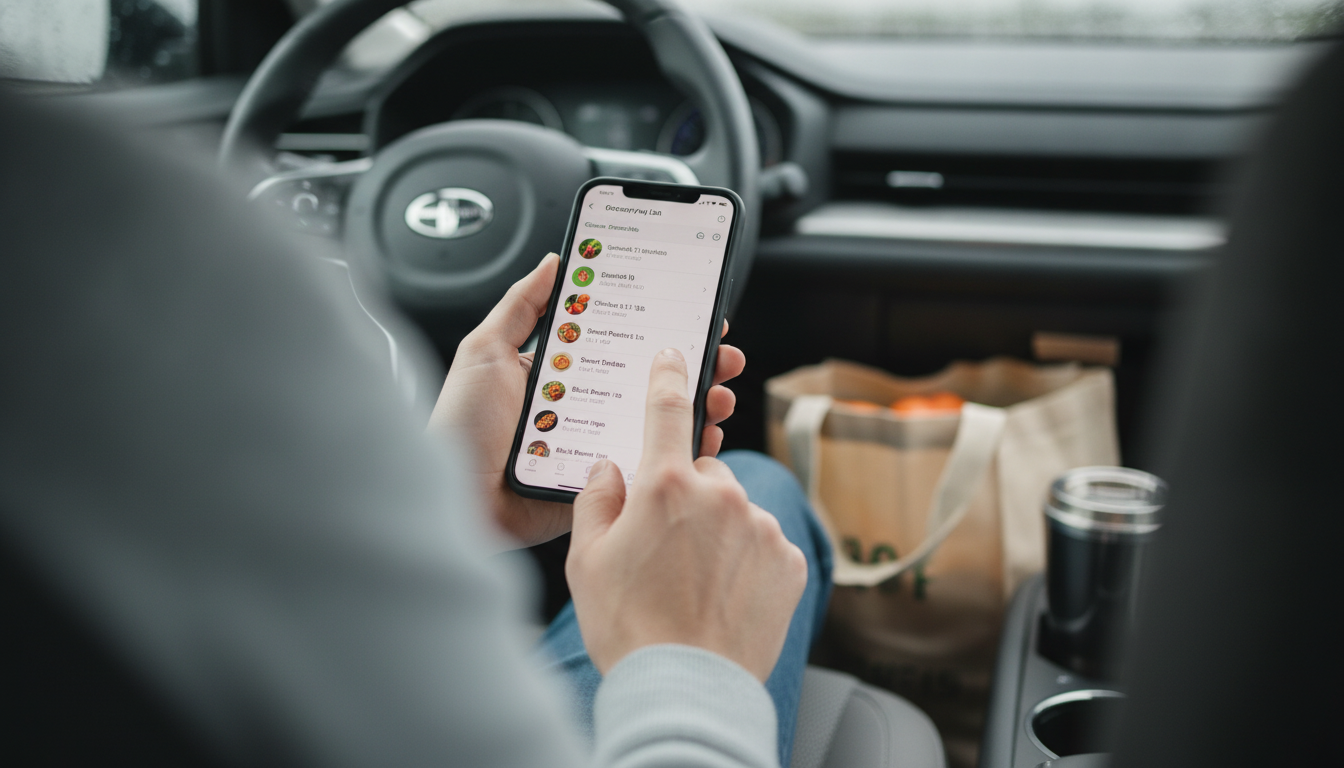
What is the easiest grocery list strategy for following a healthy meal plan with recipes?
The easiest strategy is to build a “recipe-first, aisle-second” grocery list: pick a small set of recipes for the week, pull every ingredient into one master list, then sort that list by how you shop (produce, protein, dairy, pantry, frozen). This keeps the list short, prevents buying random extras, and makes it far more likely the meals actually get cooked.
Start with 3–5 recipes you’ll realistically cook
Choose recipes that share ingredients (like spinach, chicken, brown rice, or canned beans) and cover your usual meal slots—breakfasts, lunches, dinners, and one snack option. Limiting to a handful of repeatable recipes reduces decision fatigue and keeps your cart aligned with your plan.
Use one master ingredient list, then combine duplicates
Write down every ingredient from every recipe, then merge overlaps. If two recipes call for bell peppers, list the total number you need once. Do the same for pantry items (olive oil, spices, vinegar) so you only buy what’s missing.
Sort your list by store zones (not by recipe)
Reorder the master list into the path you take through the store: produce, meat/seafood, dairy, bakery, pantry, frozen, household. This simple step makes shopping faster and reduces impulse purchases because you’re not bouncing between aisles.
Add a “flex buffer” for convenience and substitutions
Include 2–3 flexible items that can rescue a busy week—pre-washed greens, frozen vegetables, rotisserie chicken, microwaveable grains, or canned tuna. If an ingredient is out of stock, swap within the same category (kale for spinach, turkey for chicken) without breaking the meal plan.
For a step-by-step approach (including how to pair recipes and streamline categories), visit the main guide here.
FAQ
How do I meal prep without spending all day in the kitchen?
Prep in layers: wash/chop produce, cook one protein and one grain, and portion sauces or dressings. Then mix-and-match components across recipes so most meals take 10 minutes to assemble.











Leave a comment